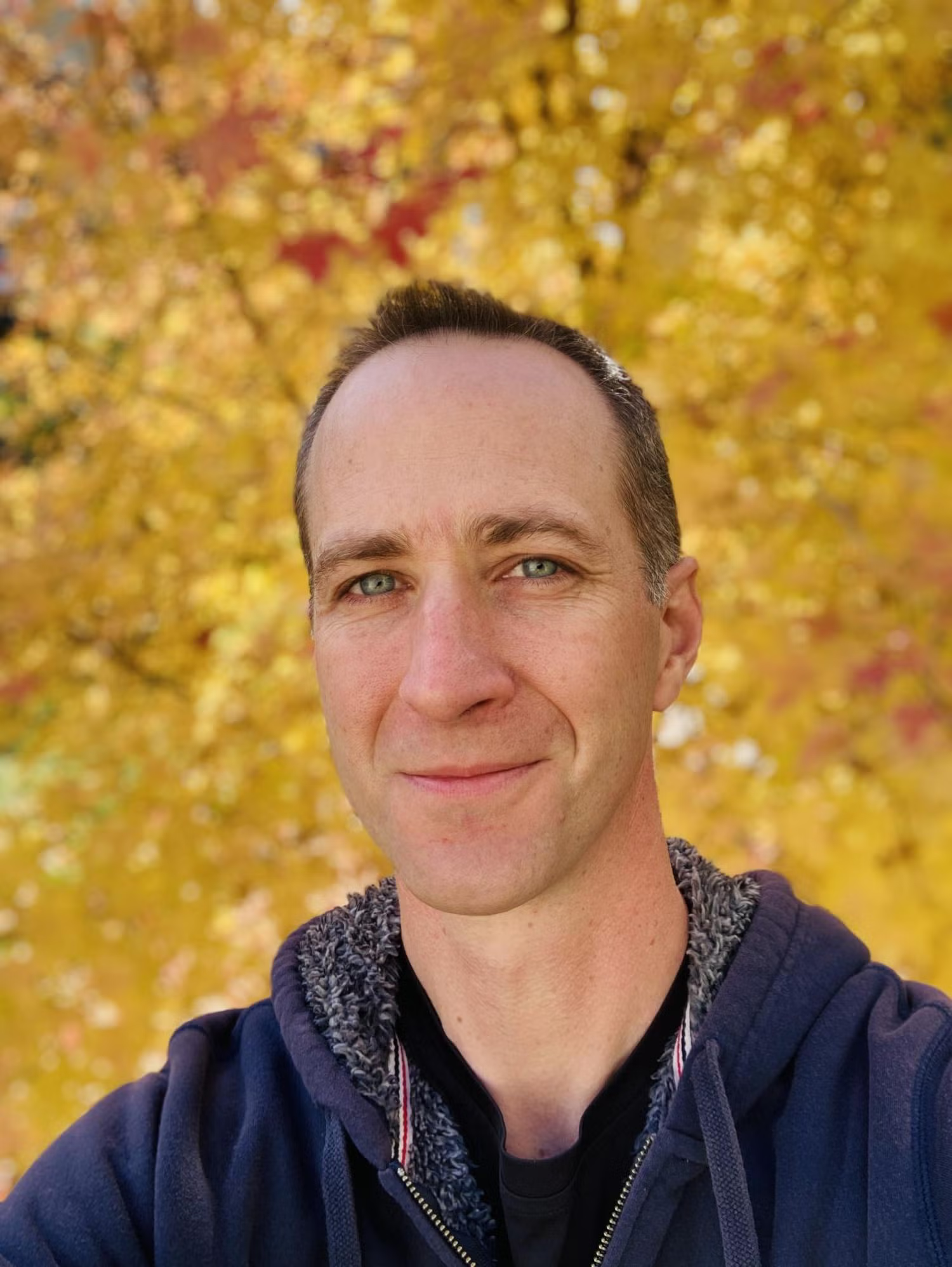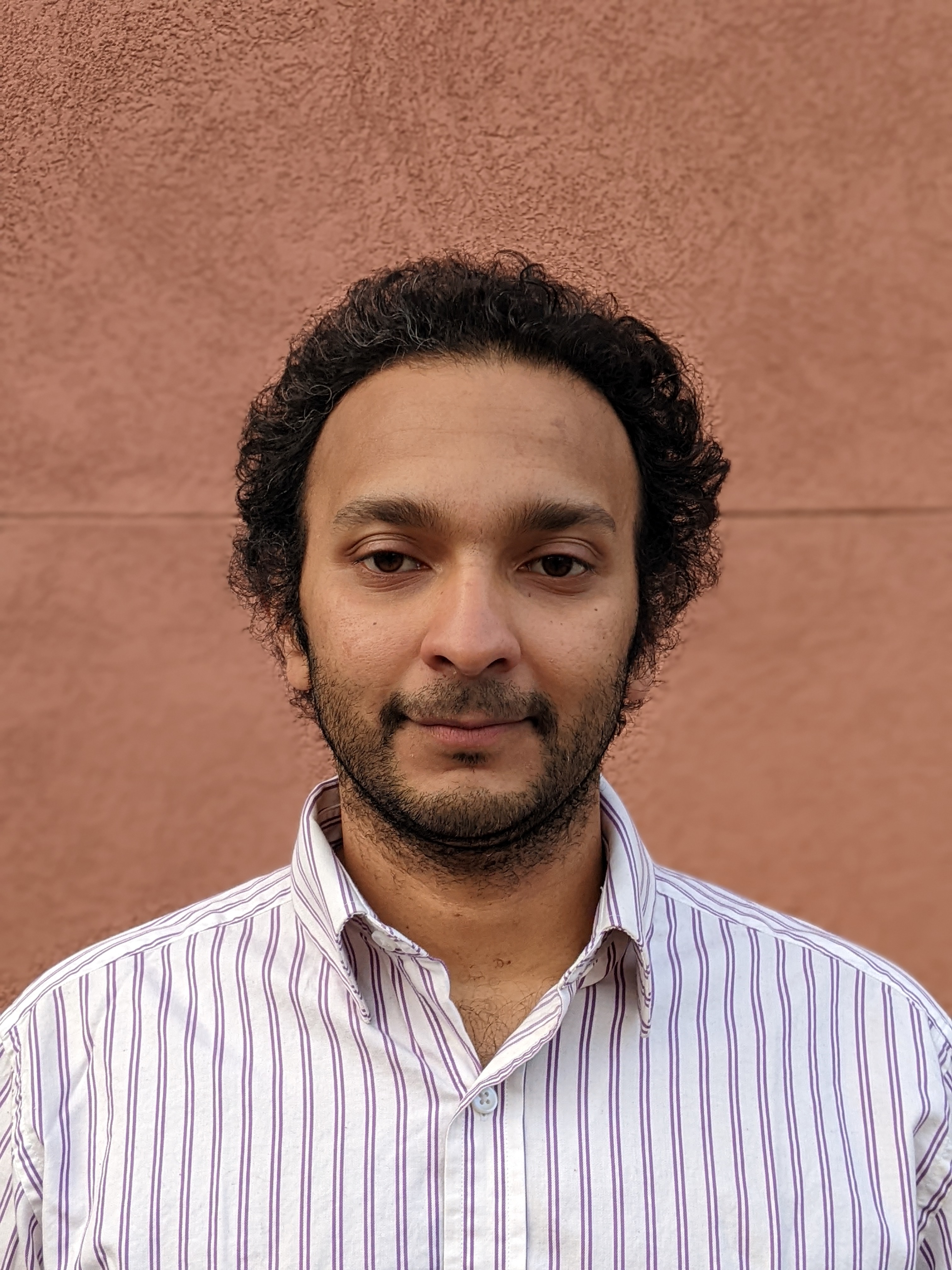
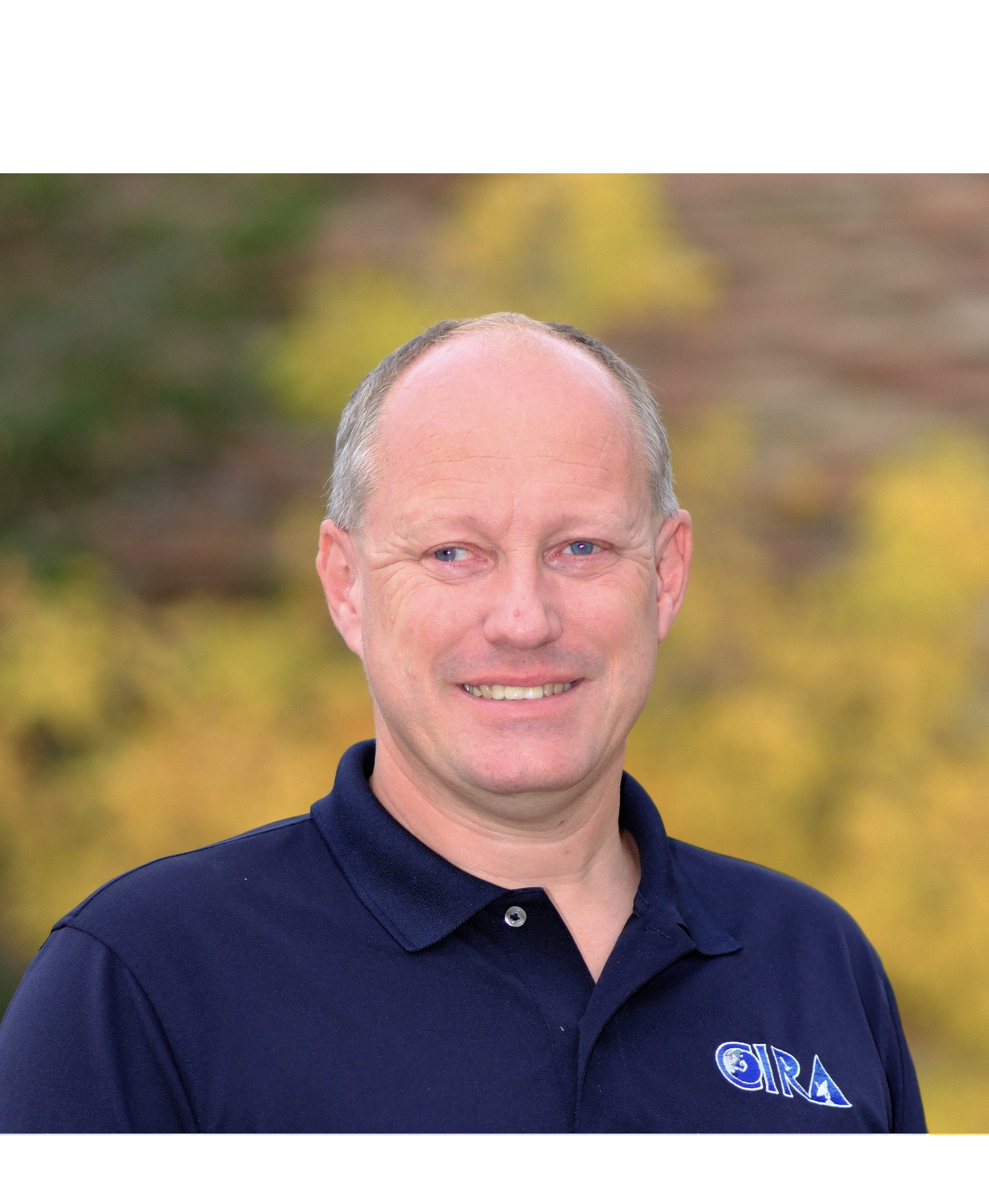
Steven Fletcher
Cooperative Institute for Research in the Atmosphere, Colorado State University, Fort Collins, CO, USA
Non-Gaussian based Kalman Filters and Maximum Likelihood Ensemble Filters
Anyone familiar with the problem of using data assimilation to predict positive definite variables would find the talk of interest as we derive and show performance of both Kalman Filters and Maximum Likelihood Ensemble Filters (MLEF) that have been derived for such variables.
Abstract
With the advancement of non-Gaussian based variational techniques the need to extend this to hybrid ensemble-variational techniques is the next step towards operational viability. However, the problem lies in the Gaussian assumptions that are made in the derivation of the Kalman filter. In this presentation we shall show a lognormal, a reverse-lognormal, a Gaussian-lognormal, and a Gaussian-reverse-lognormal based Kalman filter and apply them to the Lorenz 1963 model where the z component is known to be have non-Gaussian based errors, we shall compare these new filters with the Extended Kalman Filter. Given these advances in the Kalman filter and the established work with the non-Gaussian variational methods we extend these approaches to create a hybrid non-Gaussian based Maximum Likelihood Ensemble Filter (MLEF)
Bio
Steve received his BSc(HONS) in Mathematics and Statistics from the University of Reading in 1998, in 1999 he received his MSc in Numerical Solutions to differential equations (U. Reading), and defended his Ph.D. in December 2003 in Data Assimilation (Higher Order Balance Conditions via Hamiltonian Dynamics for Numerical Weather Prediction) graduating in July 2004. Steve joined CIRA as a NSF Postdoctoral Fellow with Dr. Milija Zupanski working on the Maximum Likelihood Ensemble Filter (MLEF) with Rossby-Haurwitz waves in the CSU shallow water equation model. As part of this work he started to develop the lognormal and mixed Gaussian-lognormal variational assimilation systems. In 2006 he became a RSII working as part of CGAR on 4DVAR in non-Gaussian forms. In January 2011 he became a RSIII working on snow cover assimilation, developing new background error covariances for NRL’s NAVGEM system, as well as extending the non-Gaussian theory to incremental var, retrievals, machine learning to detect distribution change with a series of NSF funded postdocs, as well as recently deriving the non-Gaussian version of the Kalman filter. In 2017 he was elected as a fellow of the Royal Meteorological Society. In 2023 he was promoted to Senior Research Scientist and made a Fellow of CIRA. In February upon Dr. Zupanski’s retirement, Dr. Fletcher became the data assimilation theme lead for CIRA-Fort Collins. He has served as an editor for the AGU journal; Earth and Space Science since August of 2023. He is the author of three textbooks: Semi-Lagrangian advection methods and their applications in geoscience, and two editions of Data Assimilation for the Geosciences: From Theory to Applications.